
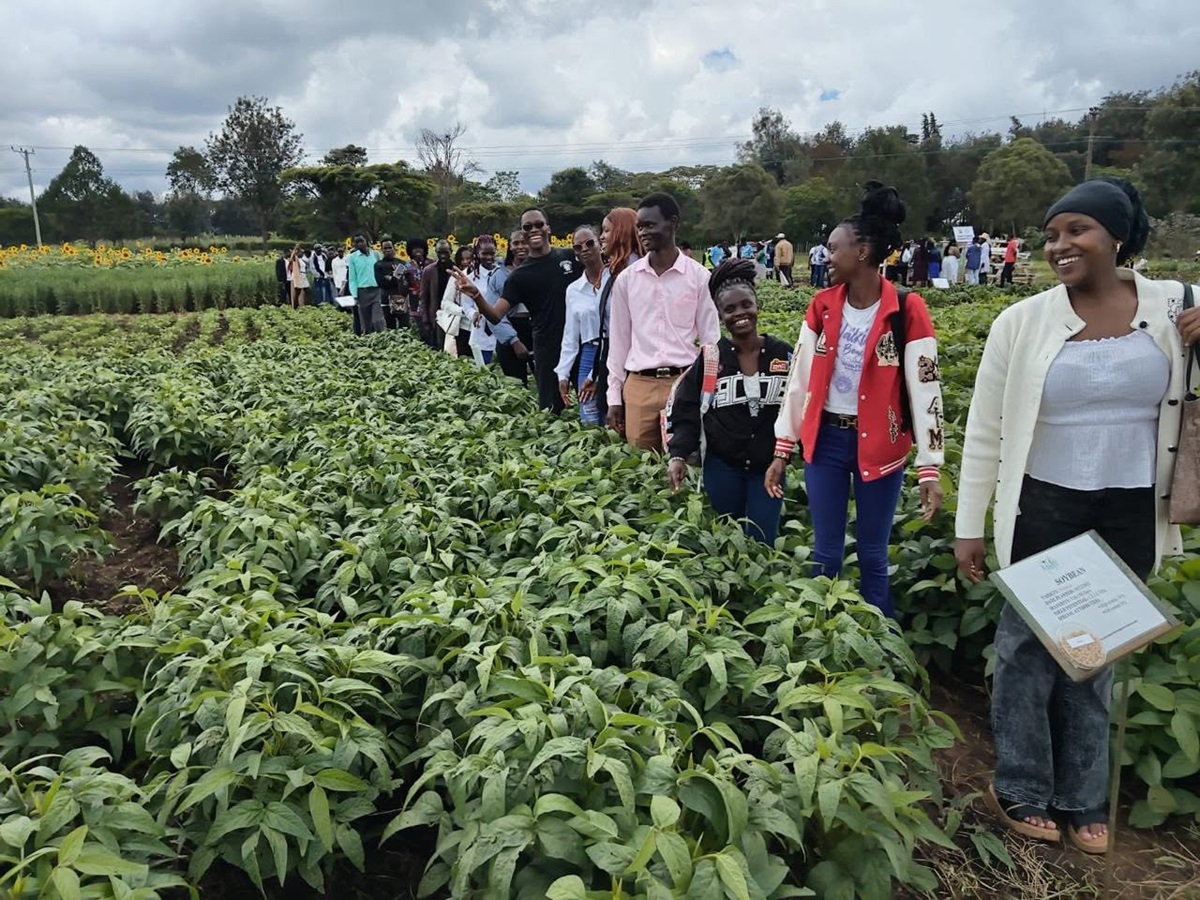
Our research facilities serve as hubs of excellence where faculty, postgraduate scholars, and international partners collaborate on cutting-edge studies.
By bridging academic discovery with practical, real-world applications, Egerton’s research enterprise directly informs policy, empowers local communities, and strengthens industry practices.
To fulfill its mission of advancing knowledge and driving socio-economic transformation, the University has established dedicated research centres and institutes designed to address complex national and global challenges.
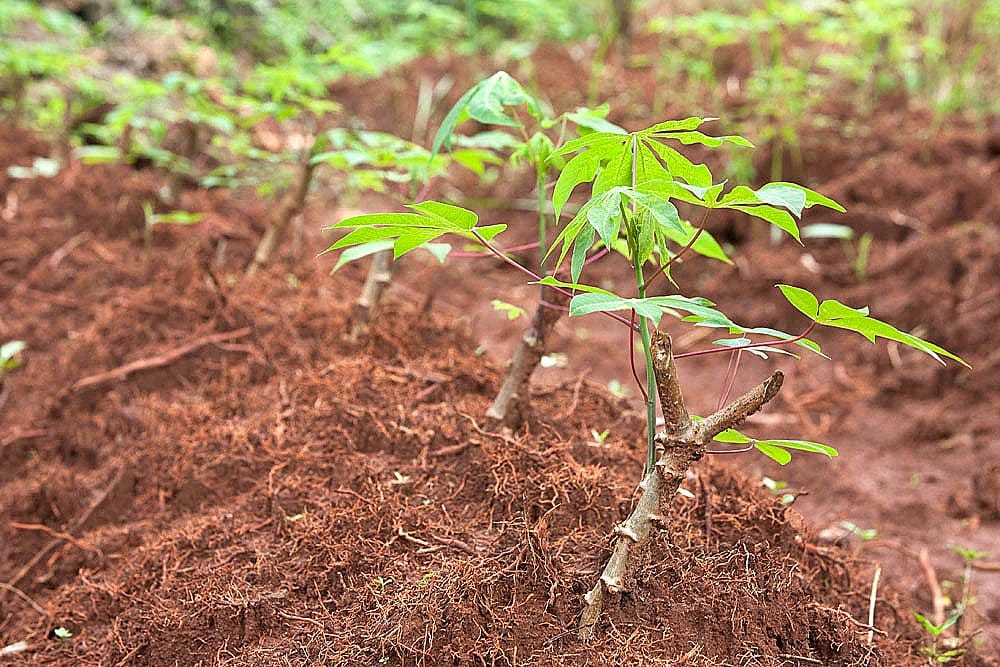
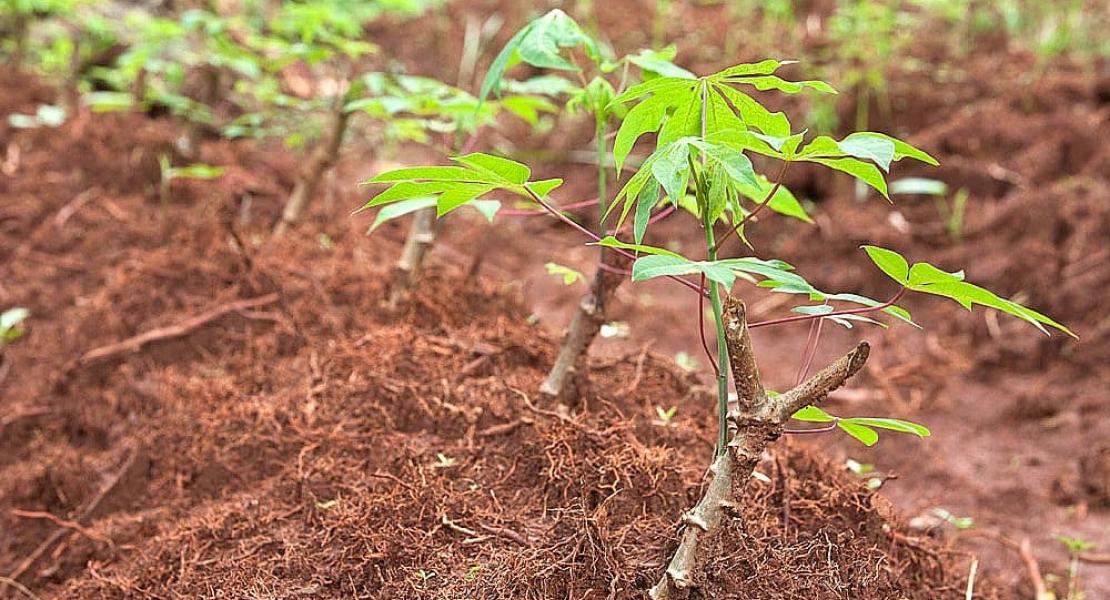
Crop Management Research Training (CMRT) is headed by a Director who is the administrative and program head. The Director is assisted on the day-to-day administrative matters by a Senior Secretary and an Accounts Clerk. The Director is responsible for policy formulation, developing and negotiating performance annual targets, resource mobilization and forging strategic partnerships, linkages and collaborations.
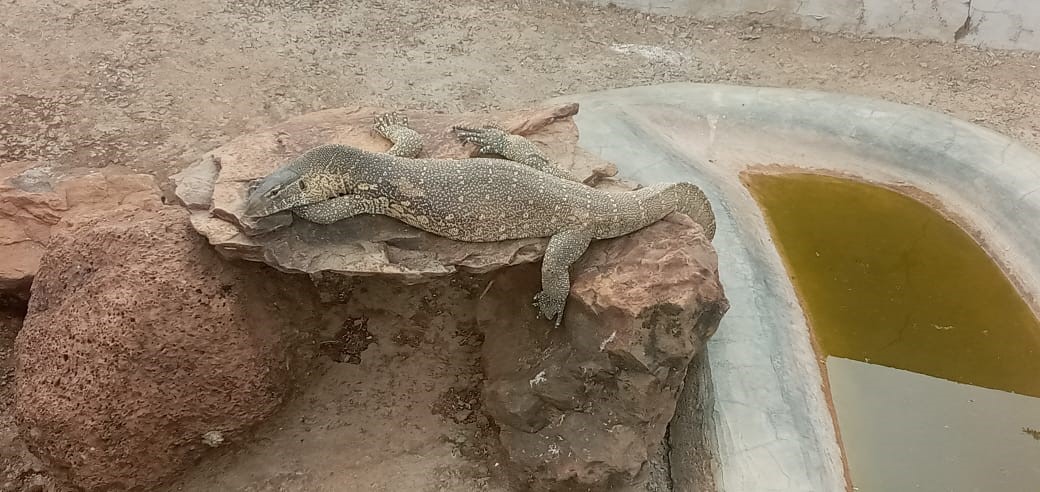
The Dryland Research Training and Ecotourism Centre(DRTEC) Chemeron is an interdisciplinary research and coordination Centre for Egerton University, and is rooted within the strategic plan of the University as well as that of Chemeron DRTEC 2018-2023.coordinates the implementation, and scientific steering of dryland research projects related to agriculture, horticulture, soil and water conservation, livestock keeping, beekeeping, rangeland management, climate change and ecotourism among others.
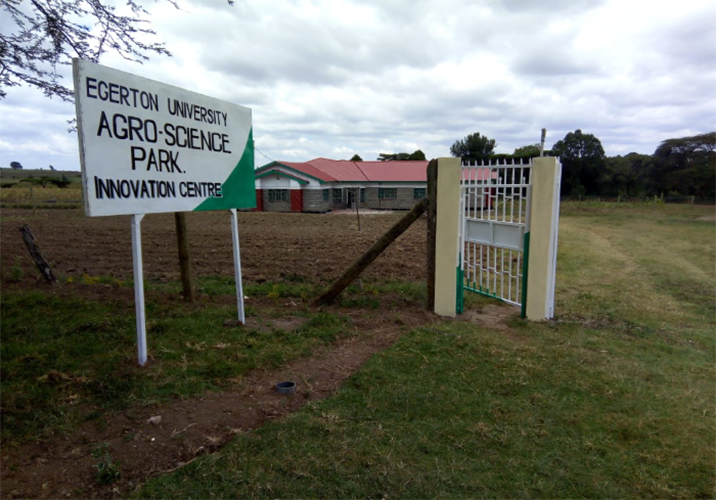
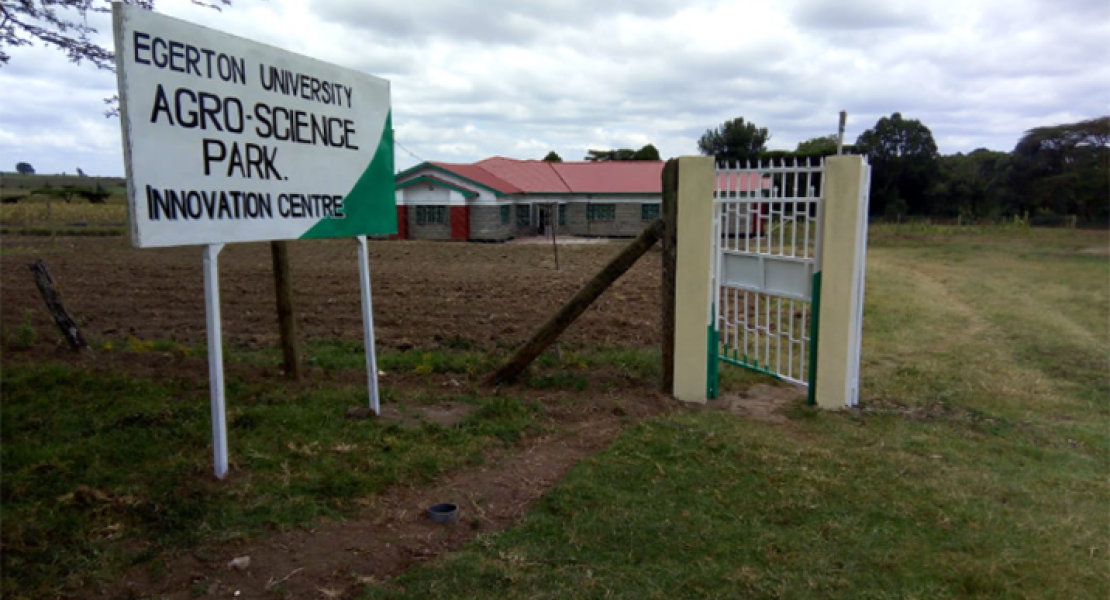
Agroscience Park is headed by Director with strong advisory team from Agropark Steering Committee consisting of DVC Research and Extension (R&E)), Director of Research and Senior members of Academic, Faculties and Directorate of Planning who are both involved in research and Innovation.
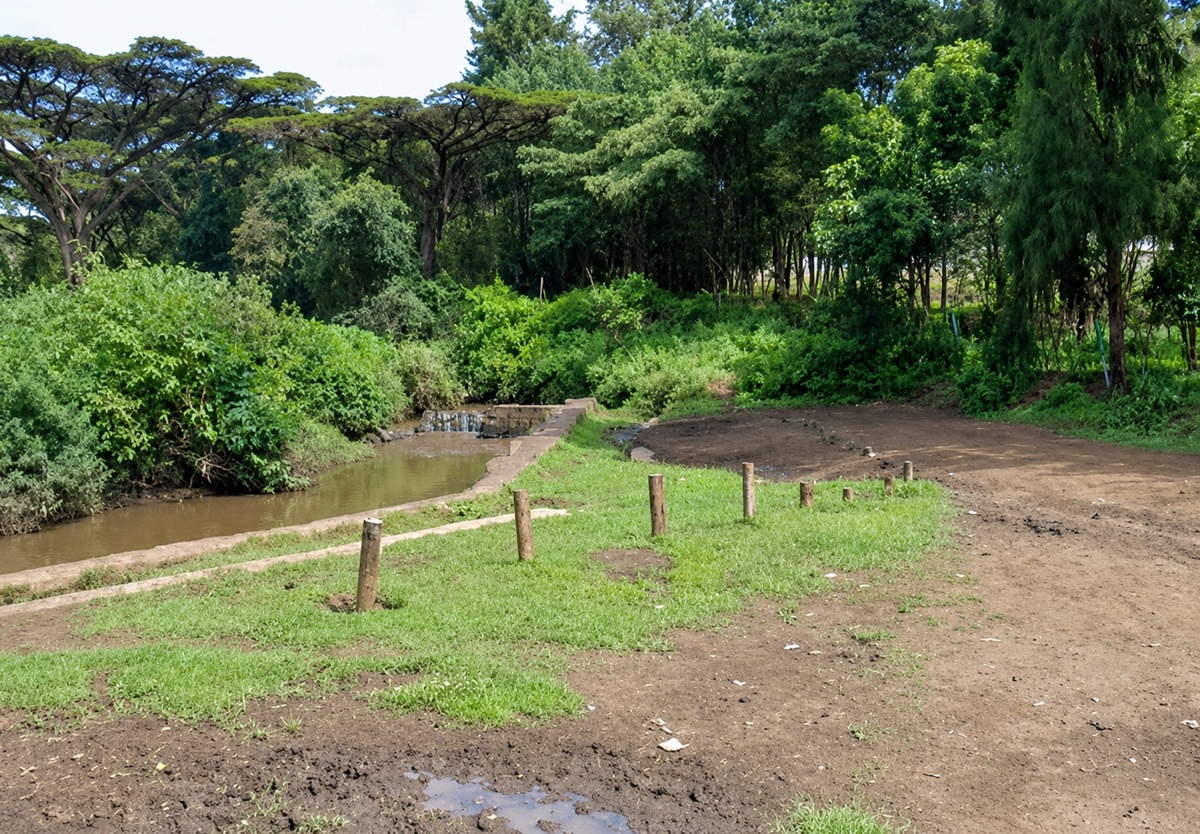
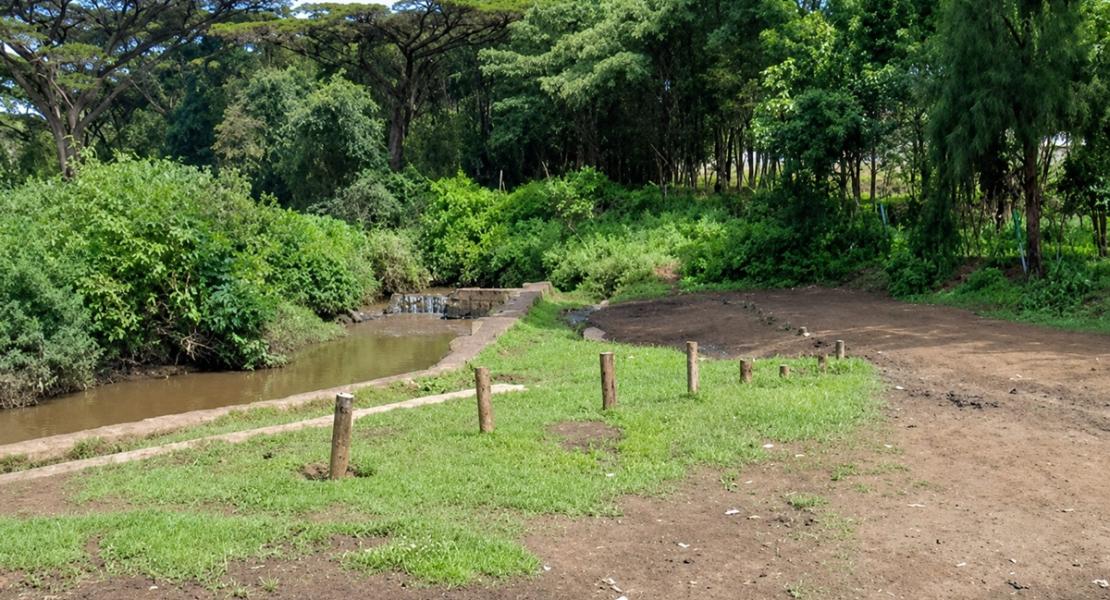
Egerton University has been rehabilitating Mau Catchment for a decade by planting trees at Shururu area through the Faculty of Environment and Resource Development (FERD). In addition, the University committed itself in the year 2012 to rehabilitate and conserve Njoro River, which emanates from the same catchment.
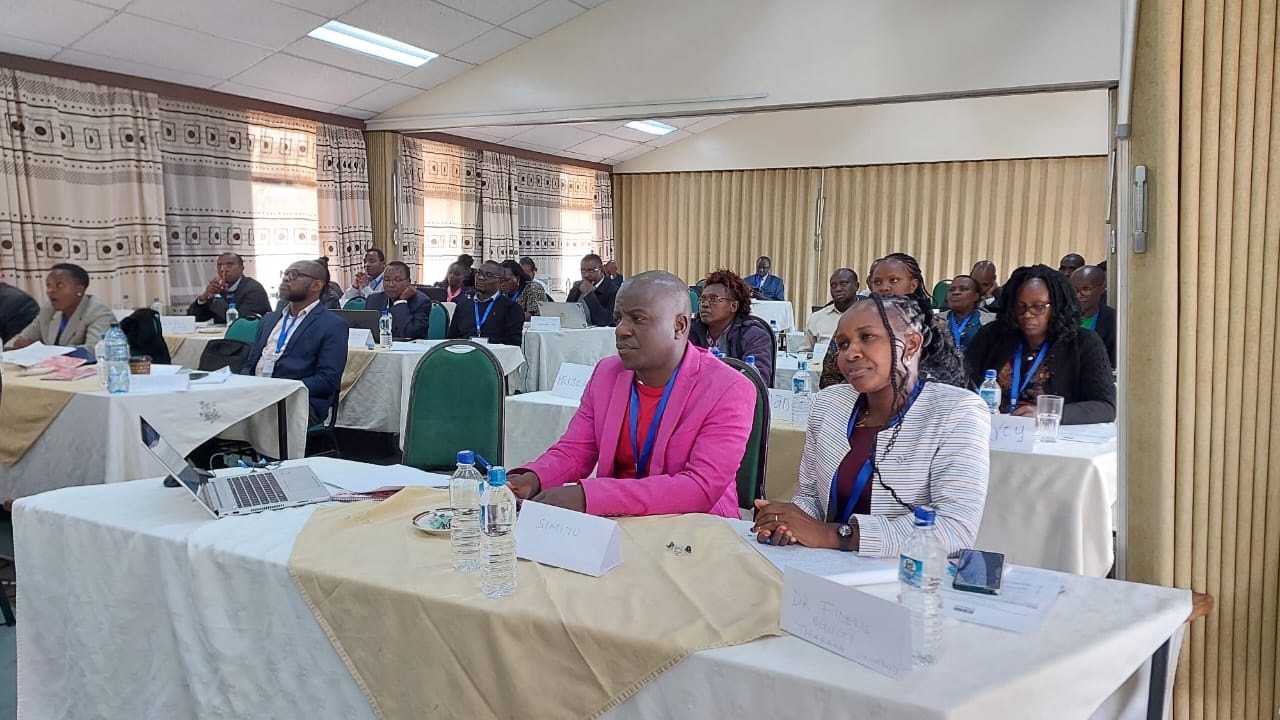
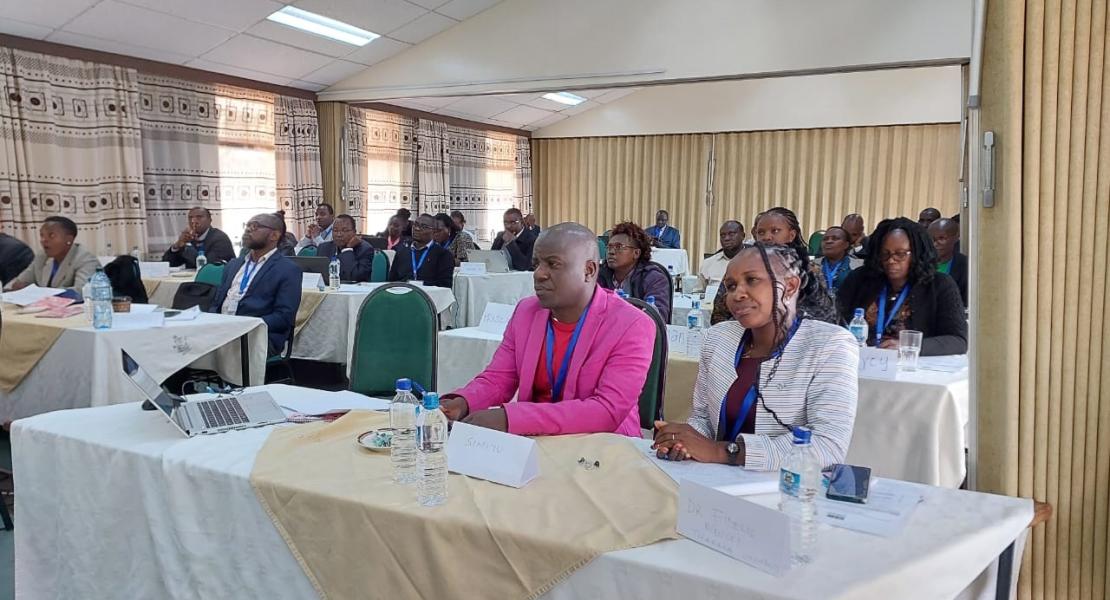
UNESCO Chair at Egerton University was established in 1998 after a successfully applied for the Chair in Bioethics within the UNESCO UNITWIN programme.The Chair focuses on bbioethics and is guided by the following objectives.
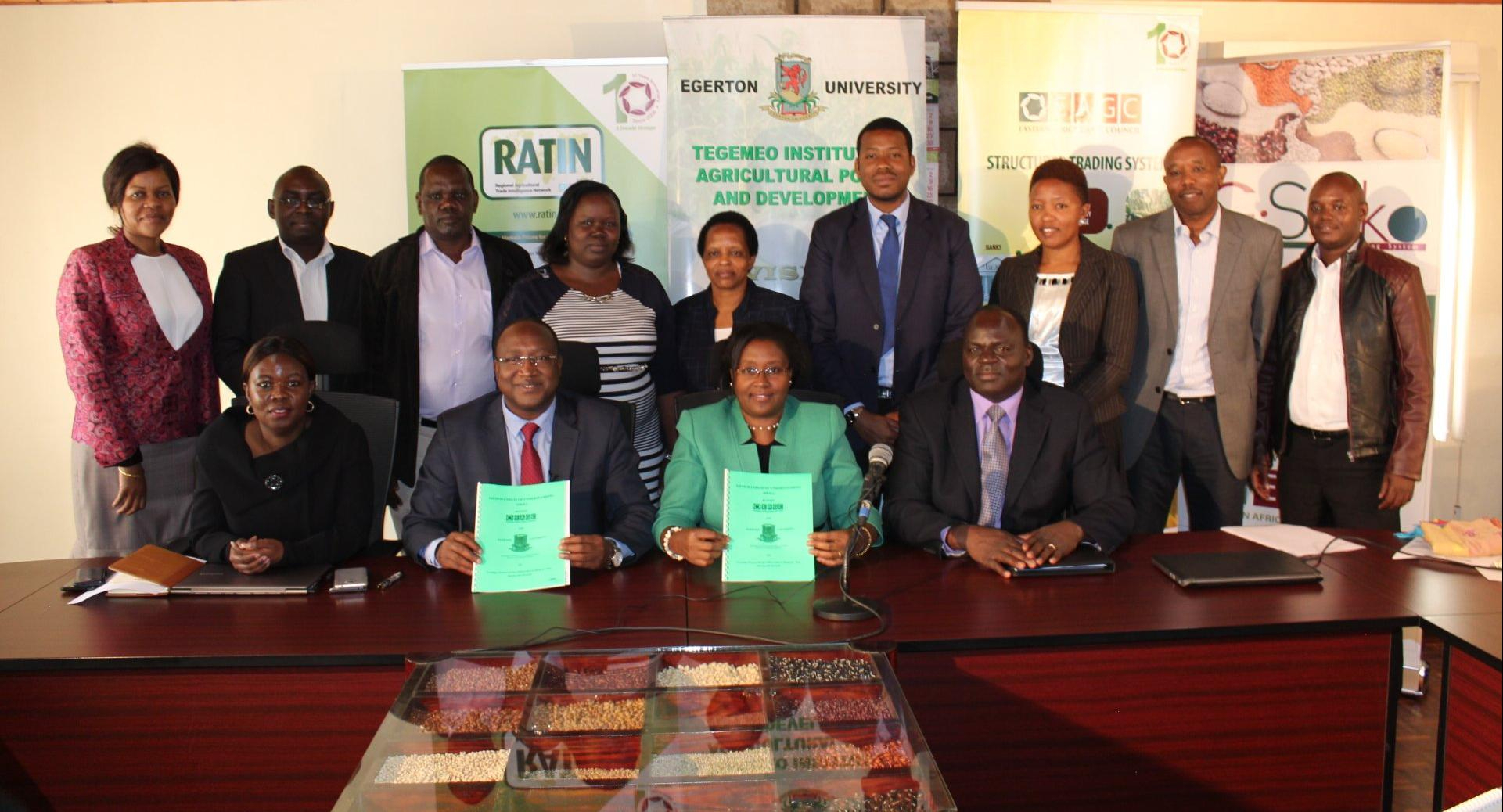
The Institute conducts Research and Analysis on policy in the domain of Agriculture, Rural development, Natural resources and Environment.It aims at addressing micro and macroeconomic policy issues bearing on farming, transportation, processing, marketing, and trade of agricultural products and inputs; sustainability of agricultural systems and natural resources as well as the environment; and commercialization, income growth and food security.