Egerton University’s research projects develop innovative solutions in agriculture, food security, environmental sustainability, and community development. Through collaborative research, the University advances crop improvement, biotechnology, food safety, climate-smart agriculture, and sustainable technologies that support national development and improve livelihoods.
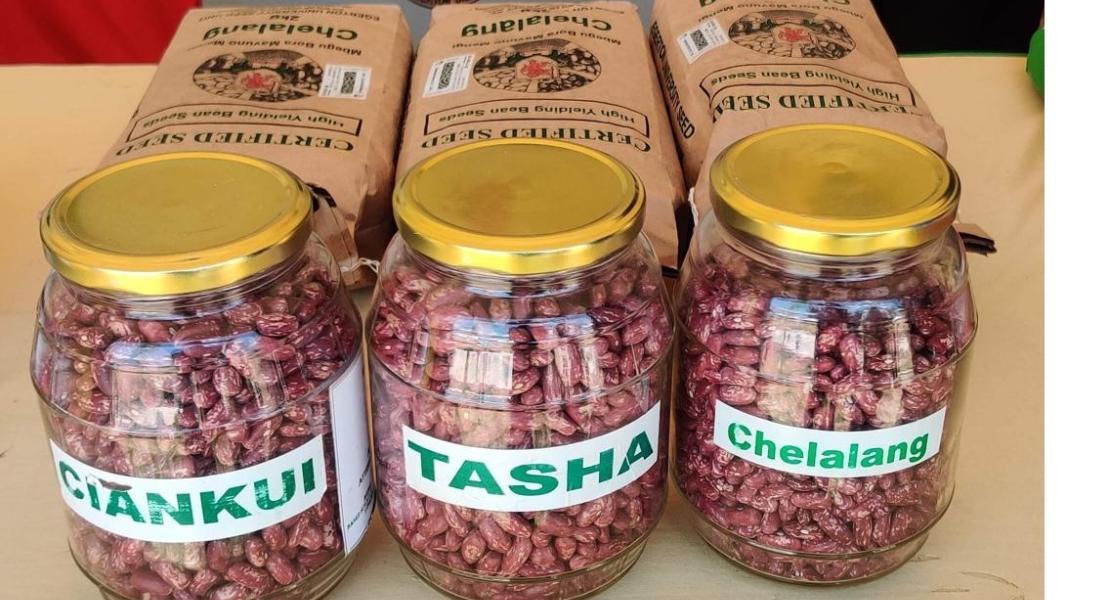
The Crop Molecular Biology and Biotechnology Laboratory at Egerton University is a state-of-the-art research facility dedicated to advancing crop improvement through modern biotechnology, molecular biology, and plant breeding approaches. Located within the Faculty of Agriculture, Department of Crops, Horticulture and Soils, the laboratory provides infrastructure for research in plant tissue culture, genetic transformation, molecular characterization, and development of improved crop varieties.
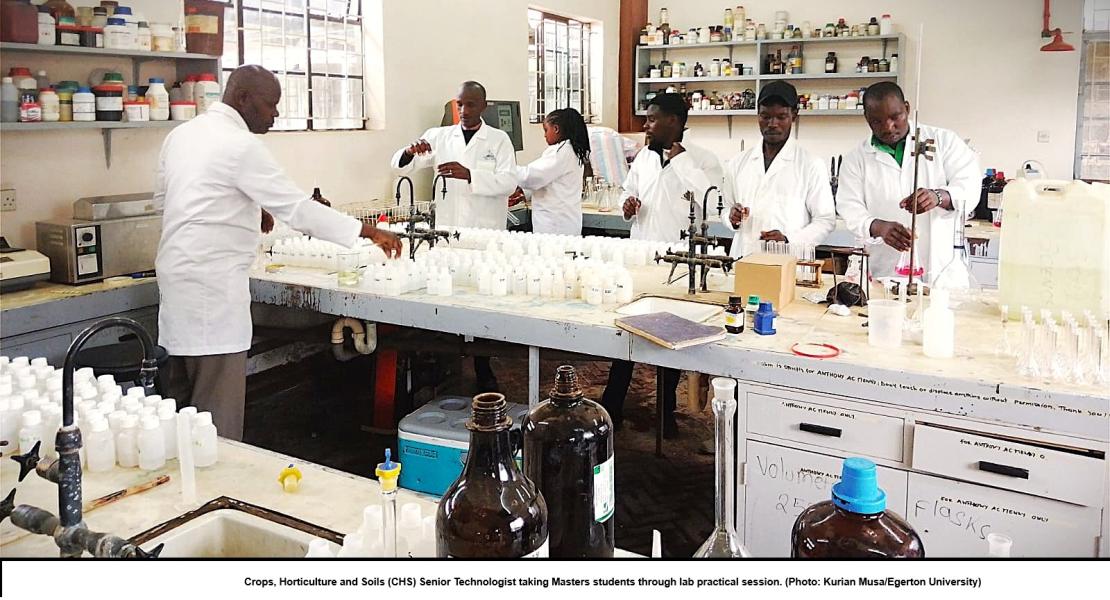
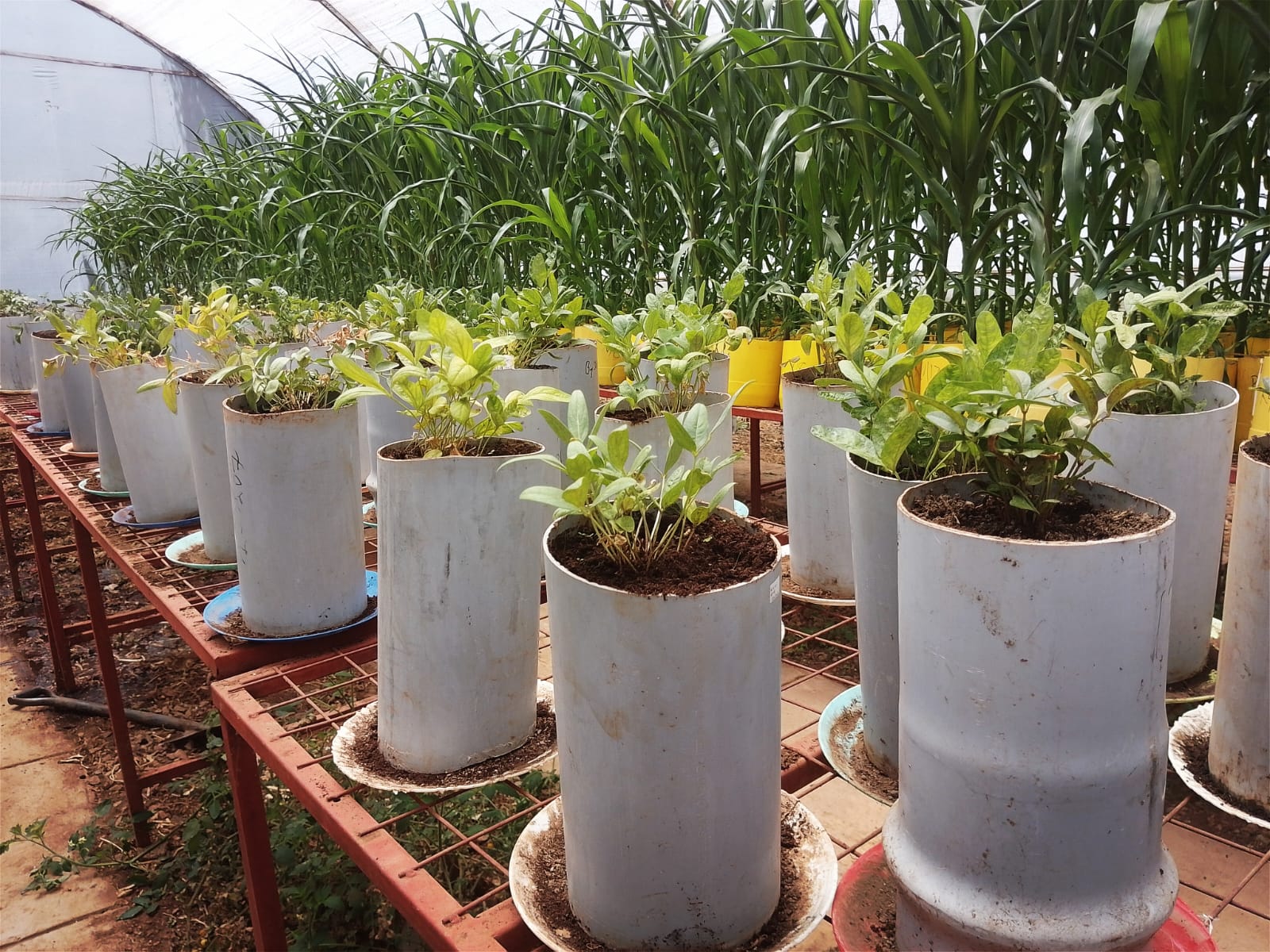
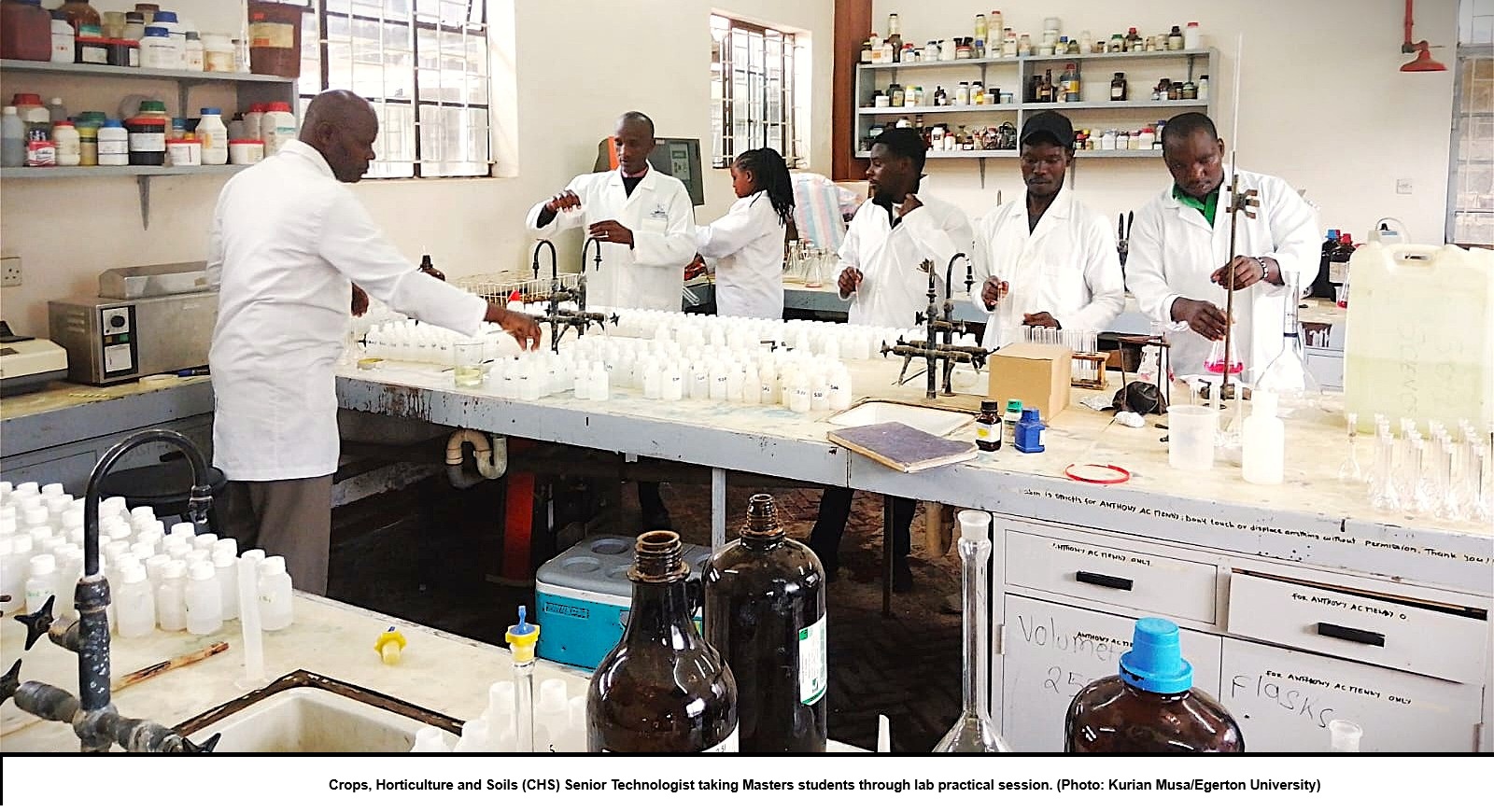
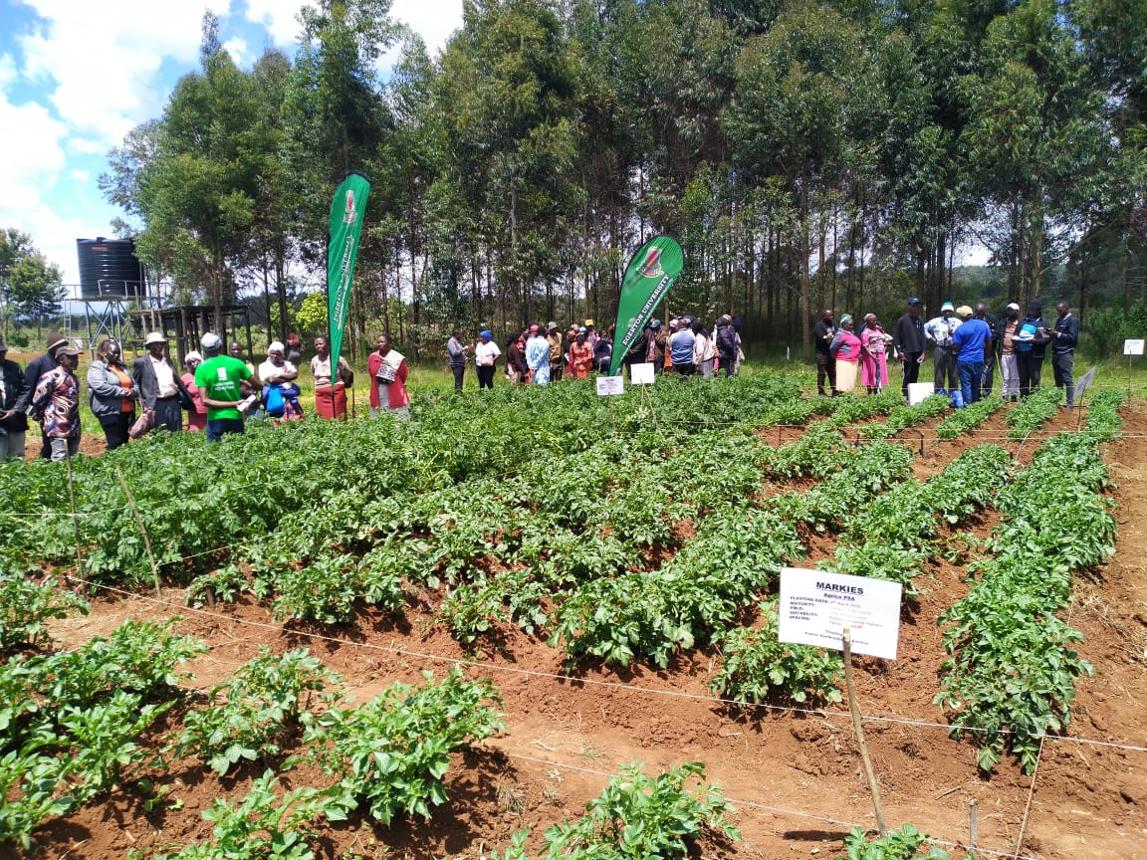
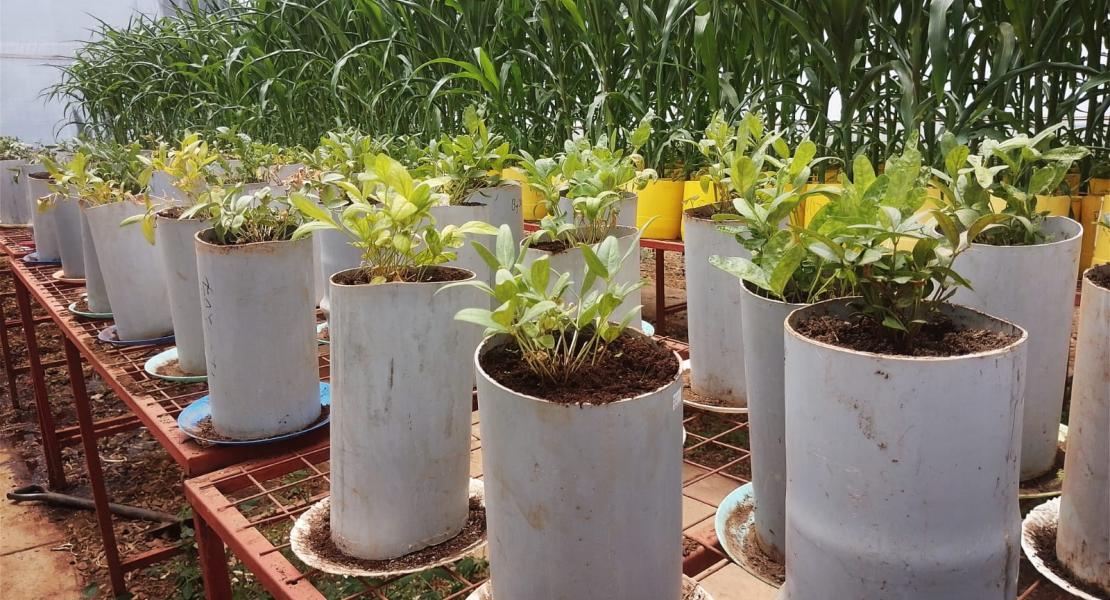
The CHS Department has a range of teaching and research facilities that support practical training, experimentation, and applied research. These facilities include laboratories, greenhouses, specialized molecular laboratories, soil laboratories, as well as demonstration and trial fields. Collectively, they provide an enabling environment for hands-on learning, scientific research, field experimentation, and the development and evaluation of agricultural technologies and practices.
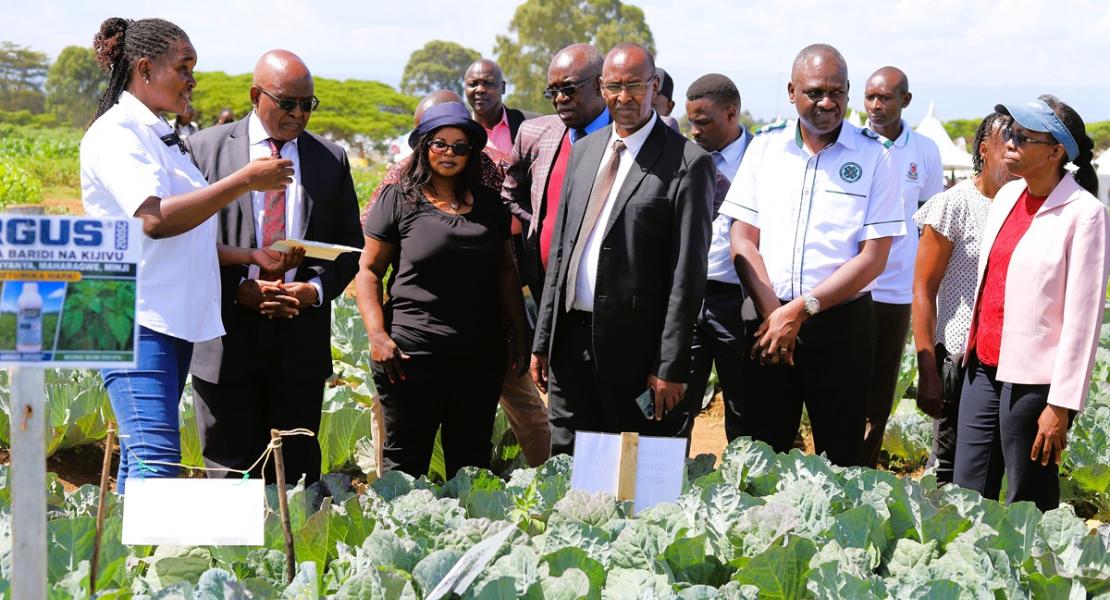
Our specialized Research Centres and Institutes serve as the heartbeat of Egerton’s innovation ecosystem, providing dedicated hubs for high-impact, cross-disciplinary inquiry. These centers—ranging from the Tegemeo Institute of Agricultural Policy and Development to our specialized biotechnology labs—act as conduits between academic research and real-world implementation. By concentrating expertise and advanced resources within these focused entities, we are able to tackle complex systemic challenges such as climate resilience, food value-chain optimization, and public health
Sorghum Research: Development of Fodder sorghum with high feed value
Funded by NRF
PI: Prof. Erick Cheruiyot
Collaborator: Dr. Esther Kimani – KALRO Biotechnology Institute
The project was initiated to respond to the growing feed needs of the livestock industry; fodder sorghum with improved feed value and good agronomic traits is a priority. The available forage sorghums are low in feed value compared to maize and are poorly digestible. The current project was built on the need to look for materials with high energy value, ease of digestibility, and extended retention of greenness in the field. To this end, we sought genotypes that accumulate sugar in the stalk, accumulate less lignin, and have stay-green traits. We crossed sweet sorghum (sugar-rich stalk) with brown midrib (bmr) sorghum to reduce lignin, and the resulting F1 was crossed with stay-green sorghum. The new lines were selected for the presence of desired traits and agronomic attributes.
Milestones
- Introgression of brown mid-rib (bmr) and stay-green traits in sweet sorghum for improved fodder feed value
- Determination of the presence of bmr mutant and stay green genes in F1 using molecular markers and select for advancement
- Determination of feed value of the new sorghum lines, using both in-vitro and in-vivo procedures
- Evaluating adaptability, agronomic traits and lignicellulosic composition of the new genotype(s)
- Submission of superior lines to KEPHIS for the National Performance Trial and variety release
Status
Two lines out of three were recommended for release as new fodder sorghum varieties